

But Bulgaria has much more to offer than just beaches. Wine regions, magnificent monuments, ski resorts, national parks and picturesque mountains await tourists all year round.


Where is Bulgaria located?
Bulgaria is located in south-eastern Europe and borders Greece, Turkey, Serbia, North Macedonia and Romania. A three-hour flight from the UK brings you to the capital, Sofia, and you can also fly direct to the popular resort areas of both Burgas and Varna in around three-and-a-half hours. With so much to see once you arrive, we highly recommend hiring a car for the duration of your stay.


Bulgaria – what to do?
Bulgaria is blessed with an abundance of attractions for visitors looking to explore. Your options will depend on when and where you visit. Spring is the ideal time to explore Bulgaria’s trekking trails in the Rila and Pirin National Parks, when the country’s bountiful nature comes alive.
In summer the Black Sea’s famously sunny coastline awaits tourists at either Golden Sands or Sunny Beach. You can relax, swim in the sea and enjoy a range of water sports. Your beach break can be combined with plenty of sightseeing as both areas have an abundance of monuments to explore.
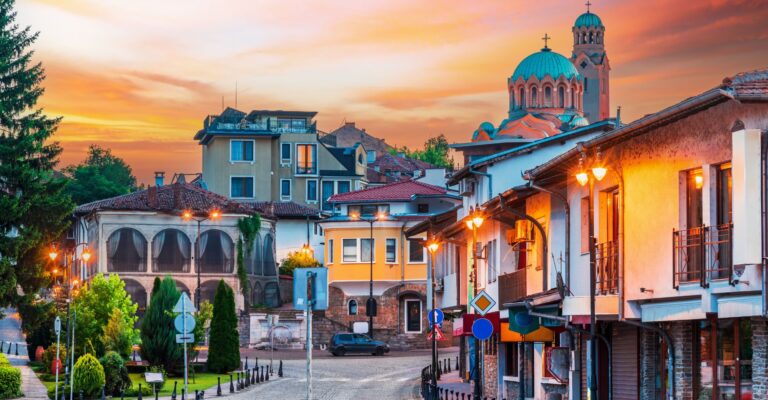
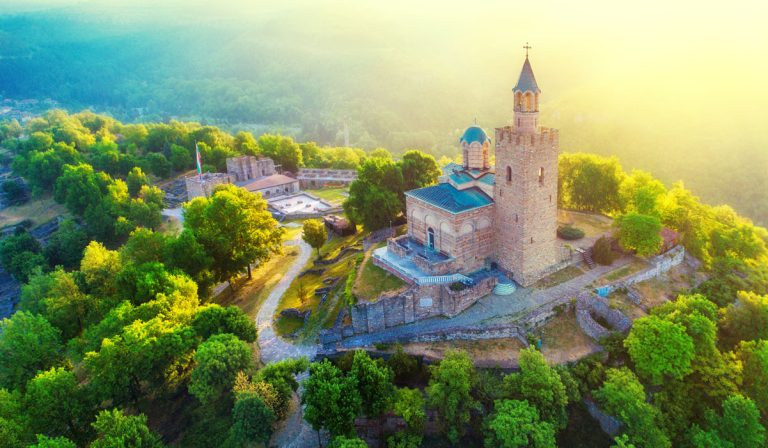
Autumn is the perfect time to visit Bulgaria’s vineyards and taste excellent local wines in the Melnik or Veliko Tarnovo regions. Here the vine-clad landscapes are intertwined with Bulgaria’s rich history.
In winter, Bulgaria offers an alternative to the crowded ski resorts of the Alps. Bansko, Borovec and Pamporovo invite winter sports enthusiasts to enjoy superbly maintained ski and snowboard slopes.
Throughout the year, larger cities such as Sofia, Plovdiv and Varna offer a rich cultural programme, from theatres and museums, to music and food festivals, allowing you to fully immerse yourself in Bulgarian culture.
Bulgaria – what to see?
Today’s Bulgaria impresses visitors with its clean and beautiful beaches, balmy Balkan climate and rich cultural heritage, showcasing the country’s dynamic development.

On the ‘must-see’ list are the picturesque Rila and Bachkovo Monasteries, true pearls of Bulgarian cultural heritage that feature on the UNESCO World Heritage List.
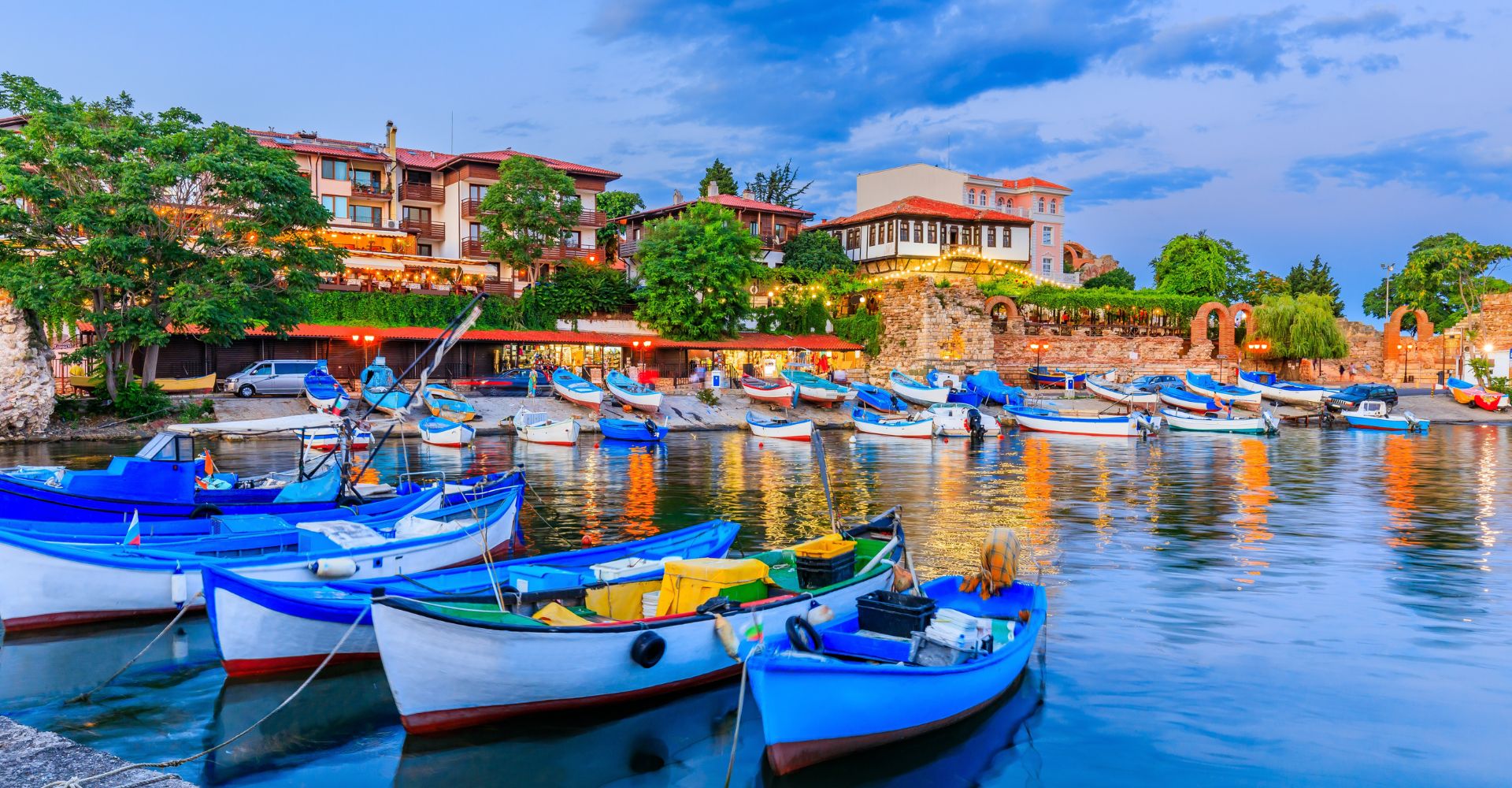
Also worth a visit is Nessebar, an ancient city on the Black Sea coast, full of monuments from the Roman to the Ottoman eras.

For nature lovers, Pirin National Park is a must. Here you will find not only fascinating mountain landscapes, but also interesting trekking routes.
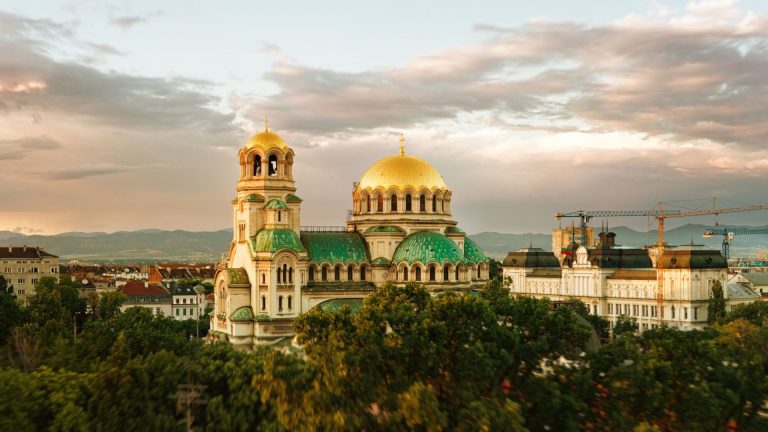
Another must-see is Bulgaria’s capital, Sofia, where monuments such as the Alexander Nevsky Cathedral and St Sophia’s Church await. The city also offers a wide range of museums, art galleries, cafes and restaurants.
Sunny Beach is a popular seaside resort with beautiful beaches, bars and a wide range of water sports. It is an ideal place to relax and have fun, especially during the summer season.
Golden Sands is one of the most popular resorts in Bulgaria, famous (as the name suggests!) for its beautiful golden sands overlooking the Black Sea. It is the perfect place for families and those looking for relaxation and tranquillity.

Sozopol is a charming historic town with narrow cobbled streets and wooden Renaissance houses. The Old Town is particularly impressive, with its atmospheric streets and historic architecture.
Bulgaria – the ideal year-round destination
Bulgaria is an extremely diverse country with plenty of attractions for every season. This makes it an ideal holiday destination, regardless of the month you choose to visit. In winter you can ski down snow-covered mountain slopes, in spring you can admire the blooming national parks, in summer you can relax on the beaches of the Black Sea and in autumn you can take part in the annual grape harvest.
Bulgaria in Spring
In spring, Bulgaria is in full bloom and temperatures that hover between 15 and 20 degrees Celsius encourage sightseeing and outdoor activities. It is also much less crowded than peak season, meaning you can expect more attractive prices than in the summer months.
Spring is the ideal time to visit national parks such as Rila and Pirin, where you can enjoy the melting snow and flowering vegetation. Trekking and cycling trails await the active, while the countryside is festooned with blooming flowers and green glades.
In May, the Kazanłyk region hosts the annual Rose Festival, which attracts tourists from all over the world. You can take part in the traditional harvest of rose petals, from which the famous Bulgarian rose oil is made. A Rose Queen is chosen and a colourful parade passes through the streets of Kazanlyk.

Bulgaria in Summer
Summer is the ideal time for Bulgaria to showcase its warm Mediterranean climate. No wonder it remains one of Europe’s most popular destinations for seaside and active holidays! Temperatures often reach 30°C, especially in July and August, making it ideal for sunbathing and swimming.
Sunny Beach, Golden Sands and Albena are popular summertime resorts with wide beaches, crystal-clear waters and water sports. They are lively places with a wide range of dining and entertainment options and attractions for the whole family.
Also during the summer, Bulgaria hosts many music and cultural festivals, including the famous Bansko Jazz Festival and the Burgas Opera Festival, which attract artists from all over the world.
Peak season prices can be higher in popular destinations, such as the seaside resorts and major cities. However, you can always find cheaper accommodation in lesser-known destinations or by taking advantage of last-minute offers.
Bulgaria in Autumn
Autumn in Bulgaria is the time when the tourist crowds slowly depart the resorts and the country reveals its quieter, more intimate side. Temperatures are mild, usually hovering around 15-20 degrees Celsius.
This makes autumn the perfect time to explore Bulgaria’s Rila, Pirin and Balkan mountains. The changing colours of the leaves and the cooler, but still pleasant temperatures are ideal for long walks and hikes. There are trails of varying difficulty throughout the national parks, offering beautiful views of the autumnal landscapes.
Bulgaria is world-famous for its wine production and autumn is when grape harvesting takes place. Many wine regions, such as Melnik and Veliko Tarnovo organise festivals where you can taste local wines alongside traditional Bulgarian dishes. This is also a great opportunity to learn about local customs and culture.
Smaller crowds make autumn a great time to visit Bulgarian sights and cities. Sofia, Plovdiv and Nessebar are particularly attractive at this time – you can enjoy their historic centres and monuments in blissful peace and quiet.
Autumn is also the time for bird migration. Bulgaria’s Black Sea coast, and especially the nature reserve at Lake Atanasovsko, is a resting place for thousands of birds migrating south, making it a bird-watcher’s dream destination.
After the summer, prices drop significantly, making this time of year economically attractive to visitors. Accommodation, restaurant meals and entrance fees are usually cheaper than during the high season.
Bulgaria in Winter
Winter in Bulgaria reveals a very different side to the country, with several popular ski resorts offering an excellent alternative to the more expensive Alpine resorts. Bansko, Borovec and Pamporovo are the best known, with perfectly maintained slopes, modern lifts and accommodation to suit all budgets.
Bulgaria is also known for its many natural mineral springs and winter draws plenty of visitors looking to relax in their hot waters. Welingrad and Bansk offer the opportunity to book accommodation and treatments at spas and wellness centres that benefit from the healing properties of the local waters.
The town of Pernik plays host to Surva, one of the largest and oldest mask festivals in Europe. You can take part in lavish parties and shows, and admire traditional costumes and customs.
Winter weather is also good for exploring the Bulgarian cities without the crowds. Sofia, in particular, has a magical atmosphere with its festive decorations and Christmas markets.
Winter is considered the low season in most Bulgarian cities, with the exception of the ski resorts, where prices may be higher. In other regions you can expect lower prices for accommodation and tourist attractions, making winter an attractive time for bargain-hunters.
What is the best time to visit Bulgaria? The weather in Bulgaria
Bulgaria has a temperate continental climate in the north and east and a Mediterranean climate in the south. The following conditions can be expected throughout the year:
- January-February: Winter months, with temperatures around 0°C, ideal for winter sports.
- March-April: Springtime brings temperatures between 5°C and 15°C, making it a good time for sightseeing.
- May: the start of the tourist season, with temperatures between 15°C and 20°C.
- June-August: typically a hot summer, with temperatures often above 30°C. Ideal for a seaside holiday.
- September-October: temperatures between 15°C and 25°C. Fewer crowds, good weather for sightseeing.

What to eat in Bulgaria?
Bulgarian cuisine is famous for its variety and rich flavours. Here are some dishes you should try during your stay in Bulgaria:
- Raccoon salad: a classic Bulgarian salad made with tomatoes, cucumbers, onions, peppers and feta cheese. It is a staple of any restaurant menu.
- Banitsa: a popular Bulgarian pastry with layers of thin pastry and a cheese filling. Perfect for breakfast, or as a snack.
- Kebapche and Kjufteta: traditional Bulgarian meat dishes, similar to sausages and steaks, often served grilled.
- Tarator: a yoghurt-based chilled soup of cucumber, garlic, nuts and dill, ideal for hot days.
- Rakija: a traditional Bulgarian spirit, often served as an aperitif.
As for places to eat, try the local restaurants and tavernas serving authentic Bulgarian specialities. On the Black Sea coast you will also find many places serving fresh seafood.
Accommodation in Bulgaria
- Luxury resorts: Prices start from around £55 per night, depending on location and standard.
- Mid-range hotels: You can find deals in the range of £20-50 per night.
- Budget accommodation: Hostels and guesthouses often offer rooms from as little as £10 per night.
- Campsites: The cheapest option, with prices starting at just £6 per night.
Note that prices can vary depending on the season and location, so it is worth checking current offers before planning your trip.
Practical information for tourists in Bulgaria
Currency: The Bulgarian Lev (BGN) is the official currency of Bulgaria. Currency can be exchanged at banks, bureaux de change and airports.
Membership of the European Union: Bulgaria is a member of the EU and is due to join the Schengen area in 2024. The Euro has not yet been introduced.
Cost of Living: Bulgaria is considered a relatively inexpensive country. Prices for food, transport and services are generally lower than in most EU countries.
Language: The official language is Bulgarian. In tourist areas it is possible to communicate in English and other languages including Polish, especially in popular resorts.
Getting around: Bulgaria has a well-developed public transport network, including buses and trains, which are a good way to explore the country.